HOME
POLITICS
CLIMATE
BUSINESS
SCIENCE
WORLD
HISTORY
LIFESTYLE
EDITORIAL
RESOURCES
CONTACT

Showing posts with label Living. Show all posts


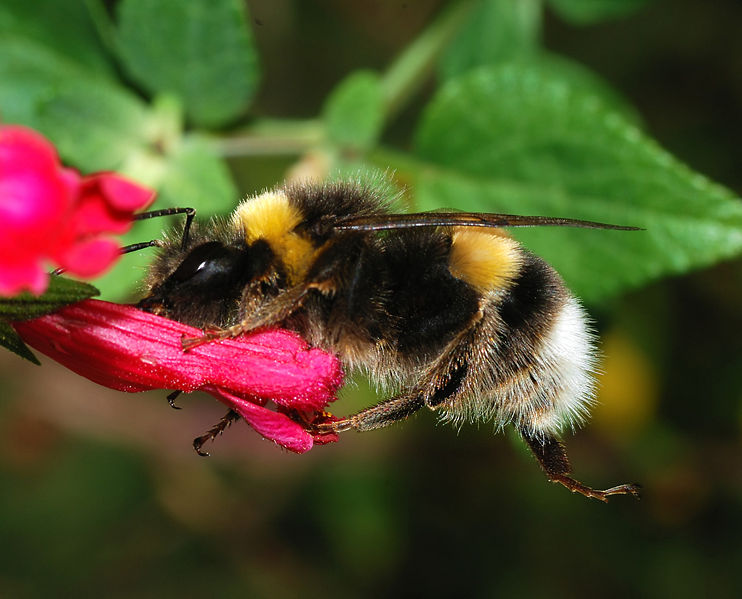
The Plight of the Bumblebee


With all the focus on the disappearance of the honeybee, there has been little discussion about the plight of the bumblebee, one of the hardest workers in the wild world of agriculture, despite this warning issued by the National Academy of Sciences October 2006:

Long-term trends for several wild bee species -- especially bumblebees -- as well as some butterflies, bats, and hummingbirds... show population drops.
That focus may now change as word comes from scientists that at least one bumblebee species from the Northwestern region of the United States, Franklin's Bumblebee, may have gone extinct.

This is a serious development. Not only because the loss of any species due to human activity is, in this writer's opinion, unconscionable, but because we depend on this species more than we've taken the time to understand.

According to this newly released National Academy of Sciences report, the bumblebee is one of many pollinators losing their battle to survive because of 'habitat lost to housing developments and intensive agriculture, pesticides, pollution and diseases spilling out of greenhouses using commercial bumblebee hives.'
Like the honeybee, the bumblebee has been hurt by the introduction of a non-native parasite. Many pollinator declines are associated with habitat loss...
It turns out that our native American bumblebee (the honeybee was imported) does more than provide a pleasant bass note to the summer hum we hear outside our window amidst the lawn mowers, sprinklers and our children's laughter. The reality is that our humble bumblebee is one of the hardest workers in the wild, accounting for the pollination that provides food for bears and birds -- and for us -- by pollinating ~fifteen percent of U.S. crops. And that percentage has been growing as farmers turn to the lowly bumblebee to replace the disappearing honeybees.

Bumblebee advocates and the scientists raising the alarm about the disappearance of the Franklin's Bumblebee have begun to lobby congress for research money and are now asking farmers to set aside unused land for flowering plants. These requests, along with the new National Academy report, are vital calls to arms. For Franklin's Bumblebee, which has long added its bass note to the life and livelihood of the Pacific Northwest, it may be too late.

For the humble bumblebees still left, such measures are essential.


Lights at Night Linked to Breast Cancer

Cross-posted on IBS, The Oxford Press

A study of NASA satellite data, overlaid with reported cancer statistics, has identified nighttime exposure to lighted areas as a risk factor for breast cancer:

Women who live in neighborhoods with large amounts of nighttime illumination are more likely to get breast cancer than those who live in areas where nocturnal darkness prevails, according to an unusual study that overlaid satellite images of Earth onto cancer registries.

"By no means are we saying that light at night is the only or the major risk factor for breast cancer," said Itai Kloog, of the University of Haifa, who led the new work. "But we found a clear and strong correlation that should be taken into consideration."

The mechanism of such a link, if real, remains mysterious, but many scientists suspect that melatonin is key.

A tumor suppressing hormone long known to be impacted by the nighttime illumination, melatonin requires darkness for its synthesis and release:

Melatonin is a neurohormone produced in the brain by the pineal gland, from the amino acid tryptophan. The synthesis and release of melatonin are stimulated by darkness and suppressed by light, suggesting the involvement of melatonin in circadian rhythm and regulation of diverse body functions.

(The study has not recommended melatonin supplementation. Not enough is known about the melatonin connection. Further studies will be required).

According to the Washington Post, the World Health Organization has been studying the hormonal impact of nighttime illumination, focusing on breast cancer rates, among female night shift workers. When the studies revealed a 60% greater incidence of breast cancer among nurses, flight attendants and others, they classified such night shift work as a possible carcinogen. Work with laboratory rats have also produced similar results. Those who were kept in illuminated cages showed a higher incidence of cancer, whereas those in darkened cages do not.

The study looked at both breast cancer and lung cancer rates against the satellite data as a control point. Lung cancer is not thought to be impacted by illumination. The study bore out the difference in the statistics. Breast cancer was more prevalent in illuminated areas.

"The study has limitations," including not measuring levels of indoor lighting, "but it supports the overall idea," [Jim] Burch, [a University of South Carolina epidemiologist and biostatistician], who found the study "fascinating," said. "I think there is enough evidence to suggest we ought to be thinking about this more carefully."

Outside illumination, as well as "blue" type light (i.e. computer screens), are seen as melatonin suppressors. In addition, there is concern that the new, more energy efficient compact fluorescent bulbs, which are more suppressive than incandescent bulbs, may be an impact, as well.

The recommendation: Keep your bedroom dark and set your circadian rhythm (internal clock) to sleep at night.

Cross-posted on IBS: ABC-7 Denver, KCCI, KCRA, KIRO, KITV, KMBC, KTVU, WAPT, WCVB, WFTV, WMTW, WPBF, WRTV, WSBTV, WTAE, WUMR and The Oxford Press.


USDA recalls 143 million pounds of beef

Cross-posted on Reuters, Chicago Sun-Times

The USDA has recalled 143 million pounds of beef produced from a Chino, CA slaughterhouse, making this the largest beef recall in the U.S.:
LOS ANGELES - The U.S. Department of Agriculture on Sunday recalled 143 million pounds of frozen beef from a Southern California slaughterhouse that is being investigated for mistreating cattle.

The federal agency said the recall will affect beef products dating [from] Feb. 1, 2006, that came from Chino, California-based Westland/Hallmark Meat Co., which supplies meat to the federal school lunch program and to some major fast-food chains.

Secretary of Agriculture Ed Schafer said his department has evidence that Westland did not routinely contact its veterinarian when cattle became non-ambulatory after passing inspection, violating health regulations.
The government shut Westland down on Friday after video revealed they were using forklifts to push sick cattle to slaughter. Two former employees are being charged with animal cruelty. The investigation will determine if further charges will be brought.
Jack in the Box, a San Diego-based company with restaurants in 18 states, told its meat suppliers not to use Hallmark until further notice, but it was unclear whether it had used any Hallmark meat. In-N-Out, an Irvine-based chain, also halted use of the Westland/Hallmark beef. Other chains such as McDonald's and Burger King said they do not buy beef from Westland. Link.
"We don't know how much product is out there right now. We don't think there is a health hazard, but we do have to take this action," said Dr. Dick Raymond, USDA Undersecretary for Food Safety.

There are 150 school systems, through the Federal National School Lunch Program impacted by the recall (through Westland's Hallmark Meat Brand). The concern is that non-ambulatory and crippled cattle are most at risk for "contamination from E. coli, salmonella or mad cow disease because they typically wallow in feces and their immune systems are often weak."


Here are the links to the CNN and
MSNBC reports.


Soft Drink-Cancer Link Lawsuit Settled

What do soft drinks, cigarettes and gasoline have in common? Benzene.

That's right. Cancer causing Benzene.

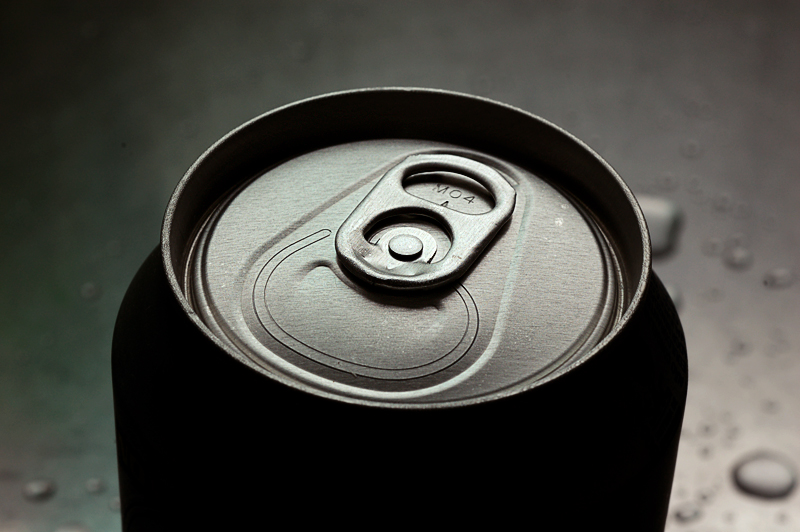
Soft drinks: Two the nation's largest soft drink manufacturers have just agreed to reformulate their soft drinks to exclude the known carcinogen Benzene, which forms when Ascorbic Acid and Sodium Benzoate (a preservative) combine in one product:

Safeway settles benzene soft drink suit

The supermarket market chain, Safeway Inc., has agreed to reformulate soft drinks made with ingredients that can potentially form benzene, according to a recent settlement. The company is one of several soft drink manufacturers that have recently been sued in class action lawsuits over benzene, a known carcinogen. Coca-Cola, a former defendant, agreed to settle last month.

Exposure to significant levels of benzene can lead to increased rates of bone marrow diseases, including leukemia.

http://tinyurl.com/...

The bad news? Not all companies are reformulating:

Other companies named in the lawsuit include: PepsiCo, Sunny Delight, Shasta and Polar.

Benzene:

What makes Benzene so scary? Here's what the CDC has to say:

Long-term exposure to high levels of benzene in the air can cause leukemia, particularly acute myelogenous leukemia, often referred to as AML. This is a cancer of the blood-forming organs. The Department of Health and Human Services (DHHS) has determined that benzene is a known carcinogen. The International Agency for Research on Cancer (IARC) and the EPA have determined that benzene is carcinogenic to humans.

http://www.atsdr.cdc.gov/...

How do you tell if you're drinking Benzene? Here's Consumer Reports' link for determining if benzene is in your beverages.

Both Coke and Pepsi say they have reformulated their drinks by removing ascorbic acid (but not the Sodium Benzoate or Potassium Benzoate...hmmm), but have admitted they don't know how much of their old product is on the shelf.

Also, it's not just ascorbic acid that combines to create Benzene:

Benzene can form in beverages containing benzoate salts (anti­microbials) and either vitamin C (ascorbic acid) or erythorbic acid, a related substance, if certain minerals are present. Heat or light during shipping or storage can increase the amount of benzene formed.

And it's not just in soda:

Benzene exposure can be reduced by limiting contact with gasoline and cigarette smoke. Families are encouraged not to smoke in their house, in enclosed environments, or near their children.

http://www.atsdr.cdc.gov/...

That's right. Cigarette smoke and gasoline.

And soda.

So what are government agencies doing about this? Not enough, according to this OP-ED in the SF Chronicle:

Too many agencies don't protect our food

GROUPS of consumers have prevailed in separate settlements announced over the past several weeks against Safeway stores and the Coca-Cola Co. in litigation aimed at forcing soft-drink manufacturers to reformulate their beverages so that a potential benzene-causing combination of ingredients will not be used in their drinks.

While news of the legal settlements is certainly good, there are many other manufacturers still hedging on their decision to reformulate. It shouldn't have to take legal battles filed by concerned consumers to stop an industry practice that is risky, can easily be avoided and should have been addressed by the government a long time ago. Why haven't the government agencies charged with protecting our food, beverages and water stepped in? Welcome to the alphabet soup of food safety regulation - where various agencies can impose varying rules that allow important safety issues to slip between agency jurisdictions...

http://www.sfgate.com/...

Hmm... Government agencies and food safety. Where have we heard this before?

Soft drinks, cigarettes and gasoline...

What does Consumer Reports think about all of this?

Consumers Union, the nonprofit publisher of Consumer Reports, thinks the FDA should restrict benzene in all beverages to the limit set for drinking water and require manufacturers to take steps to prevent benzene formation by changing the products’ formulation or manufacturing process.

Good idea.

Here's the link to the SF Chronicle Story.

Here's the link to the DHHS warning on Benzene in Soft Drinks.

Here's the link to the story about the lawsuit.

Here's the link to Consumer Reports' warning (this has product names)

I'm going to go make some fresh orange juice (from the oranges off the tree in my back yard) now.

Soda and gasoline and cigarettes, oh, my...


It's Official: The HoneyBees are Gone [Congressional Testimony]

by Janet Ritz


Experts are gathering outside Washington, D.C. today for a two-day meeting to collectively scratch their heads about the Colony Collapse Disorder, aka 'Where have all the honeybees gone.'

The phenomenon was first noticed late last year in the United States, where honeybees are used to pollinate $15 billion worth of fruits, nuts and other crops annually. Disappearing bees have also been reported in Europe and Brazil.

Commercial beekeepers would set their bees near a crop field as usual and come back in two or three weeks to find the hives bereft of foraging worker bees, with only the queen and the immature insects remaining. Whatever worker bees survived were often too weak to perform their tasks.

There's been much speculation about this lately. Others have written extensively on their ideas as to the cause. I don't know the cause, so I thought I'd write an article that addresses what we do know, what questions are being asked, what is being done, and what has been reported, so far, in Congressional testimony.

The scientists and researchers meeting in Washington today have formed working groups from several universities, government agencies and research facilities. Here's an interesting quote from one of the team members, Rick Pettis of the U.S. Agricultural Research Service, about what they're saying is NOT causing the disorder:

If the bees were dying of pesticide poisoning or freezing, their bodies would be expected to lie around the hive. And if they were absconding because of some threat -- which they have been known to do -- they wouldn't leave without the queen.

But they are leaving without the queen, which is incredible, given their societal structure (God save the queen could be their motto):

Colonies are established not by solitary queens, as in most bees, but by groups known as "swarms" which consist of a mated queen and a large contingent of workers. This group moves en masse to a nest site that has been scouted by workers beforehand, and once they arrive they immediately construct a new comb and begin to raise a new worker brood

http://en.wikipedia.org/...

They're not swarming anymore, according to Rick Pettis, who says that one-third of the U.S. diet depends on the honeybee:

"They're the heavy lifters of agriculture," Pettis said of honeybees. "And the reason they are is they're so mobile and we can rear them in large numbers and move them to a crop when it's blooming."

Honeybees are used to pollinate some of the tastiest parts of the American diet, Pettis said, including cherries, blueberries, apples, almonds, asparagus and macadamia nuts.

"It's not the staples," he said. "If you can imagine eating a bowl of oatmeal every day with no fruit on it, that's what it would be like" without honeybee pollination.

Wait a minute. I like cherries. I get my anti-oxidants from blueberries. An apple a day keeps my doctor away. Asparagus is my favorite vegetable and Almond milk is my substitute for that cow stuff.

So, what's being done about it?

On March 26, 2007, the Congressional Research Service compiled a report for Congress entitled:

Recent Honey Bee Colony Declines

Honey bee colony losses are not uncommon. However, current losses seem to differ from past situations in that

  • colony losses are occurring mostly because bees are failing to return to the hive (which is largely uncharacteristic of bee behavior),
  • bee colony losses have been rapid,
  • colony losses are occurring in large numbers, and
  • the reason why these losses are occurring remains still largely unknown.

To date, the potential causes of CCD, as reported by the scientists who are researching this phenomenon, include but may not be limited to

  • parasites, mites, and disease loads in the bees and brood;
  • known/unknown pathogens;
  • poor nutrition among adult bees;
  • level of stress in adult bees (e.g., transportation and confinement of bees, or other environmental or biological stressors);
  • chemical residue/contamination in the wax, food stores and/or bees;
  • lack of genetic diversity and lineage of bees; and
  • a combination of several factors

On March 29th, Diana Cox-Foster, Professor Department of Entomology, Pennsylvania State University, testified before the House Subcommittee on Horticulture and Organic Agriculture:

Honey bees are essential for the pollination of over 90 fruit and vegetable crops worldwide. The economic worth of the honey bee is valued at more than $14.6 billion in the U.S. In Pennsylvania alone, honey bees and pollination are worth $65 million annually through fruit crops, forage, and bee products (most notably honey). In addition to agricultural crops, honey bees also pollinate many native plants in the ecosystem.

[snip]

In colonies experiencing CCD [Colony Collapse Disorder], we have found that individual bees are infected with an extremely high number of different disease organisms. However, we have found little evidence of parasitization by varroa or tracheal mites. Many of these known bee diseases are commonly associated with stress in bees. Of particular note, we have found all adult bees in CCD colonies are infected with fungal infections. These findings may indicate that the bees are being immunosuppressed, but none of the organisms found in these bees can be attributed as the primary culprits in CCD.

Here are three research questions Cox's working team is investigating:

  • Are there new or reemerging pathogens responsible for CCD?
  • Are environmental chemicals causing the immunosuppression of bees and triggering CCD?
  • Is a combination of stressors (e.g., varroa mites, diseases, nutritional stress) interacting to weaken bee colonies and allowing stress-related pathogens such as fungi to cause final collapse?

Another working team scientist, May Berenbaum of the University of Illinois, is exploring behavioral reasons for the disappearance:

"The main hypotheses are based on the interpretation that the disappearances represent disruptions in orientation behavior and navigation," said May Berenbaum, an insect ecologist at the University of Illinois, Urbana-Champaign.

Orientation behavior and navigation...

Or, as one of the team members said: "The HoneyBees are Gone and we don't know where."

There are multiple working teams gathering in Washington this week. As a testament to how seriously this is being taken, they say they intend to pool their resources to determine the cause of Colony Collapse Disorder. They'd better do it soon, because it turns out that the honeybees might just be the proverbial canary in the coal mine:

Honeybees are not the only pollinators whose numbers are dropping. Other animals that do this essential job -- non-honeybees, wasps, flies, beetles, birds and bats -- have decreasing populations as well.

Cherries, blueberries, apples, almonds, asparagus and macadamia nuts, approximately 84 other crops, and honey, beeswax and royal jelly and, of course, William Butler Yeats:

"I will arise and go now, and go to Innisfree,
And a small cabin build there, of clay and wattles made:
Nine bean-rows will I have there, a hive for the honeybee,
And live alone in the bee-loud glade."


Subcommittee on Horticulture and Organic Agriculture
Dennis A. Cardoza, (D-CA) Chairman

Jurisdiction: fruits and vegetables; honey and bees; marketing and promotion orders; plant pesticides, quarantine, adulteration of seeds, and insect pests; and organic agriculture.

Majority

  • Dennis A. Cardoza, CA
  • Bob Etheridge, NC
  • Lincoln Davis, TN
  • Tim Mahoney, FL
  • John Barrow, GA
  • Kirsten E. Gillibrand, NY

Minority

  • Randy Neugebauer, TX
  • John R. "Randy" Kuhl, NY
  • Virginia Foxx, NC
  • Kevin McCarthy, CA
  • K. Michael Conaway, TX

Congressional Hearing on Colony Collapse Disorder:
THURSDAY, MARCH 29, 2007
Witness List (w/links to opening statements):

Panel I

Panel II

  • Mr. Paul Wenger, First Vice President, California Farm Bureau Federation, Modesto, California
  • Mr. David Ellingson, Commercial Bee Keeper, Ortonville, MN
  • Mr. Gene Brandi, Legislative Chairman, California State Beekeepers Association, Los Banos, California
  • Mr. Jim Doan, Commercial Bee Keeper, Hamlin, New York
  • Mr. Richard Adee, Legislative Committee Chairman, American Honey Producers Association, Bruce, South Dakota

The next congressional hearing is set for June 24-30 during National Pollinator Week (really).
Live Audio link: http://agriculture.house.gov/...

Let's hope there are some pollinators left to attend.

Link to the Congressional Research Service's March 26, 2007 Report
Lint to the CNN/Reuter's article cited above.